eSIM vs Physical SIM: Which One Is Better for International Travel?
Staying connected while traveling abroad has become a necessity rather than a luxury. Whether it’s navigating new cities, booking accommodation, staying in touch with family, or working remotely, mobile internet plays a crucial role. Traditionally, travelers relied on physical SIM cards or expensive roaming plans. However, with the rise of eSIM technology, a new alternative has entered the picture.
So, which option is better for international travel: eSIM or physical SIM?
What Is a Physical SIM Card?
A physical SIM (Subscriber Identity Module) is a small plastic card inserted into your phone to connect it to a mobile network. It stores your subscriber information and allows your device to access voice, SMS, and mobile data services.
For international travelers, physical SIM cards usually come in two forms:
-
-Local SIM cards purchased after arrival
-
-International SIM cards bought before traveling
While this method has been used for decades, it comes with several limitations.
What Is an eSIM?
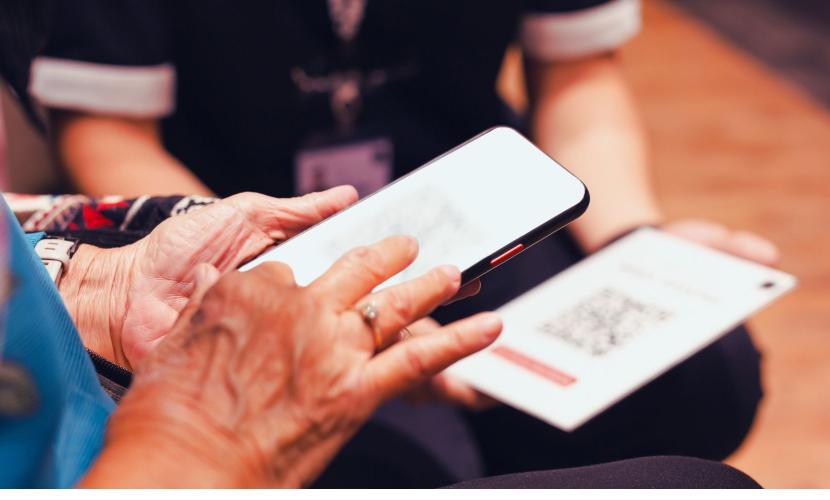
An eSIM (embedded SIM) is a digital SIM that is built directly into your device. Instead of inserting a physical card, users download and activate a mobile plan by scanning a QR code or using an app.
With eSIM, travelers can activate data plans instantly, switch between networks digitally, and manage multiple profiles on one device — all without changing SIM cards.
1. Convenience and Ease of Use
Physical SIM
Using a physical SIM often requires:
-
-Finding a local mobile store
-
-Presenting identification (in some countries)
-
-Waiting in line or dealing with language barriers
-
-Removing your primary SIM card
This process can be inconvenient, especially after long flights or during short trips.
eSIM
eSIM offers unmatched convenience:
-
-Purchase and activate before or during travel
-
-No physical handling or SIM swapping
-
-Instant setup via QR code or app
-
-Keep your primary SIM active
For travelers who value speed and simplicity, eSIM clearly wins.
2. Cost Comparison
Physical SIM
Local SIM cards can be affordable, but:
-
-Prices vary by country
-
-Tourists are often charged higher rates
-
-Roaming SIMs are usually expensive
-
-Unused data often expires
eSIM
eSIM plans are designed specifically for travelers:
-
-Transparent pricing
-
-No hidden roaming fees
-
-Regional or global plans available
-
-Pay only for what you need
While eSIM may not always be the cheapest option in every country, it offers better value for multi-country trips.
3. Flexibility for International Travel
Physical SIM
Physical SIM cards are typically tied to one country or operator. If you travel across borders, you may need to:
-
-Buy multiple SIM cards
-
-Change SIMs frequently
-
-Lose access to your original number
eSIM
eSIM provides exceptional flexibility:
-
-One eSIM can cover multiple countries
-
-Easy plan switching without removing anything
-
-Multiple profiles stored on one device
This makes eSIM ideal for Europe trips, Asia tours, or global travel.
4. Network Coverage and Performance
Both physical SIM and eSIM connect to local mobile networks. In terms of speed and coverage:
-
Performance depends on the network partner, not the SIM type
-
High-quality eSIM providers partner with top-tier carriers
-
In many cases, eSIM performance matches or exceeds local SIMs
The key difference is access, not quality.
5. Security and Reliability
Physical SIM Risks
-
-Can be lost or stolen
-
-Can be damaged
-
-SIM swap fraud is possible
eSIM Advantages
-
-Embedded securely in the device
-
-Cannot be physically removed
-
-Encrypted provisioning
-
-Reduced risk of theft or misuse
For travelers concerned about data security, eSIM offers a safer alternative.
6. Device Compatibility
Physical SIM cards work with almost all phones, including older models.
eSIM, however, requires a compatible device. Most modern smartphones support eSIM, including:
-
-iPhone XS and newer
-
-Google Pixel series
-
-Samsung Galaxy flagship models
As eSIM adoption grows, compatibility is becoming less of an issue.
7. Environmental Impact
Physical SIM cards contribute to plastic waste through:
-
Plastic cards
-
Packaging
-
Shipping
eSIM eliminates physical materials entirely, making it a more sustainable and eco-friendly option — an often-overlooked benefit for environmentally conscious travelers.
8. Who Should Choose Physical SIM?
A physical SIM may still be suitable if:
-
You are staying long-term in one country
-
Your device does not support eSIM
-
You prefer in-person setup
-
You need local voice and SMS services
9. Who Should Choose eSIM?
eSIM is the better choice if:
-
You travel frequently or to multiple countries
-
You want instant activation
-
You want to avoid roaming fees
-
You need a flexible, short-term data solution
-
You prefer digital, app-based management
eSIM or Physical SIM?
For international travel, eSIM is the clear winner for most users. It offers unmatched convenience, flexibility, security, and speed — all essential for modern travelers. While physical SIM cards still have their place, especially for long-term stays, eSIM represents the future of travel connectivity.
As more devices and carriers support eSIM, the shift away from physical SIM cards will only accelerate.
Click here to view Esim plans: Esim

Data Running Out Quickly: Reasons and Solutions
20 Jun 2026

eSIM Internet Slow: What to Do?
20 Jun 2026
eSIM Activation Failed: Causes and Solutions
20 Jun 2026